 Eurasia Press & News
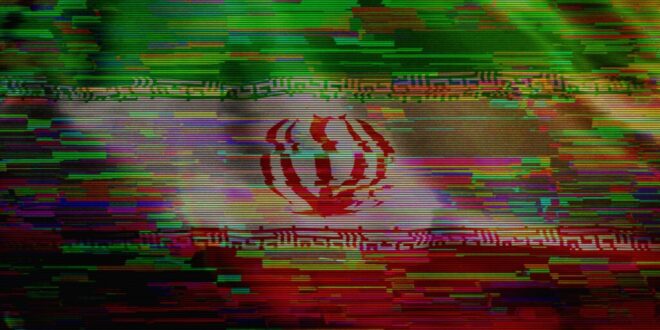
Iran’s probing of Israeli society for vulnerabilities is expanding beyond the Jewish population. Israeli NGO “FakeReporter” uncovered a multipronged influence operation targeting Israel’s Arab population on December 19. The suspected Iranian operation, which operated in Arabic, shared politically contentious content intended to stoke tensions in Israel’s Arab community. Through a range of false organizations and accounts, this influence network convinced legitimate political, media, and civil society actors to amplify its message without knowing who was truly behind it.
This operation is only the latest in Iran’s unending — and perpetually creative — malign cyber campaigns. Despite an end to military strikes between Iran and Israel, the ongoing “shadow war” between the two presents the perfect arena for Tehran to exploit cyber vulnerabilities.
Iranian Actors Impersonate Arab Israelis
The operation consisted of three central fake organizations created to cover the spectrum of Israeli-Arab politics and discourse: a joint Arab-Jewish NGO, a Palestinian nationalist outlet, and a culturally focused outlet. Each of them highlighted topics critical to Israel’s Arab population, such as the war in Gaza, civil rights, and unprosecuted crime in the community. The operation also featured inauthentic domains and networks of fake accounts and entities on Telegram, Instagram, and X amplifying the fake organizations. After their exposure, multiple network entities were taken down.
The operation reached established actors to expand its influence. In at least one case, the operation persuaded an Israeli political party to upload joint posts and organize a shared protest. It also convinced one of the most established Arab media outlets in Israel, Radio al-Shams, to publish articles from fake accounts affiliated with these organizations.
Similar Modus Operandi to Past Iranian Operations
The Islamic Republic has conducted a range of operations intended to sow discord and demoralize the Israeli public. While this is the first large-scale influence operation dedicated to Israeli Arabs, it exhibited similar characteristics to past Iranian operations, such as exploiting controversial political topics, organizing protests, and exploiting prominent media outlets for amplification.
Not only does Tehran want to influence Israeli society, but the Islamic Republic also hopes to exploit existing discontent. The regime has aggressively attempted to recruit spies from across Israeli society, leading to a 30 percent increase in arrests and investigations of espionage activity connected to Tehran in 2025. In October, an Israeli Arab was charged with providing information to an Iranian agent.
Israel Doesn’t Pay Enough Attention to the Threat of Foreign Influence
Iran is developing and deploying a range of cyber and influence operations intended to subvert and harm Western countries and U.S. partners. Israel is ill-prepared to respond due to the absence of a sufficient regulatory or legal framework to counter foreign interference. The Israel Security Agency (ISA), or Shin Bet, is responsible for countering foreign influence and interference, but its activity is largely classified and limited by the “General Security Service Law,” which lays out its powers. Israel must update its laws and regulations to clarify areas of responsibility and increase transparency in the fight against foreign malign influence and interference.
This case also has specific lessons. Israel should grow its limited counterinfluence and counter-interference efforts in the country’s Arab population. At the same time, improved efforts by the Israeli government to address issues within the country’s Arab communities may increase connection to the state and limit the window of access for Iran’s malign influence. The vulnerability of Israel’s Arab community should be a word of caution to all democracies which would be well served by bolstering multilingual and multicultural counter-interference efforts. By engaging minority groups to maintain community ties and lines of communication, governments can prevent and mitigate foreign interference efforts via advanced warning, updates on current threats, and debunking.