 Eurasia Press & News
Syrian military reaches outskirts of Hassakeh as army advances further into areas previously held by Kurdish-led SDF
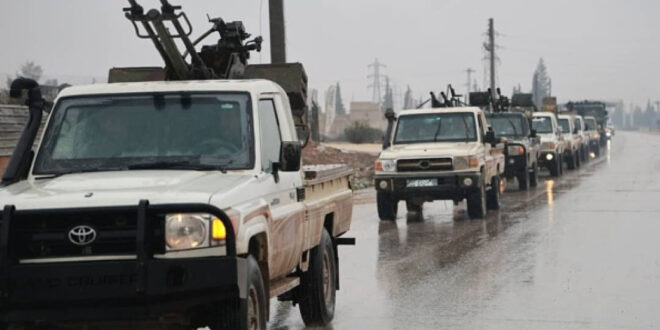
Fighting between the Syrian army and the Kurdish-led Syrian Democratic Forces (SDF) continued early Tuesday in multiple areas of northeast Syria, as a ceasefire agreed on Sunday night appeared to collapse.
On Tuesday, the SDF confirmed it had withdrawn from al-Hol camp in Hassakeh and redeployed around cities in northern Syria amid continued reported fighting with government-aligned forces.
SDF fighters engaged in clashes with government forces near the town of Sarrin, south of Kobani, overnight, according to affiliated media, as government forces advance on Hassakeh City.
As efforts are underway for government forces to gain control of detention facilities previously held by the SDF, fighting broke out around al-Aqtan prison in Raqqa and around Ash-Shaddadi, south of Hassakeh.
Damascus has accused the SDF of intentionally releasing dozens of Islamic State group suspects from prisons in the northeast, while the Kurdish-dominated group has claimed government strikes on facilities allowed detainees to flee.
In a statement issued on Tuesday, Syria’s interior ministry said security forces had launched a manhunt after about 120 IS suspects who reportedly escaped from Ash-Shaddadi.
Kurdish website Rudaw, meanwhile, reported that around 1,500 members of the group had escaped.
The release of IS members has raised concerns for neighbouring countries, including in Iraq, which has warned that instability in Syria around the detention prisons poses a major security risk for the country.
IS once controlled vast territories in Syria and Iraq, before their defeat in a US-led offensive, with thousands of suspected fighters and their families still being held by the SDF.
The escalation in fighting comes following an inconclusive meeting between President Ahmed al-Sharaa and the head of the SDF Mazloum Abdi in Damascus.
Described as having lasted about five hours, after which Abdi returned to the northeast, both sides have yet to release an official statement.
Reports circulating on Syrian news outlets, however, suggest that Abdi backed out of the agreement after rejecting Sharaa’s proposition to assume the position of deputy minister of defence.
The issue of the northeastern-most governorate of Hassakeh appears to be the main sticking point, according to local media, with Sharaa reportedly rejecting Abdi’s request for the SDF to maintain full administrative control of both the city and the province.
Sharaa supposedly denied the SDF chief’s request for a five-day grace period to consult with officers, saying that if a final answer were not received by Monday night then he would “inform international parties that Mazloum Abdi had withdrawn from the agreement and the Syrian state would resolve the Hassakeh issue by force”.
In reaction to the meeting, the SDF called on their platforms for a “general mobilisation”, asking Kurds across Turkey, Iran, Iraq and even European states to “join the ranks of the resistance”.
Government forces, meanwhile, continued their military offensive towards Hassakeh City, which has a large Kurdish population.
A statement issued by the Syrian government on Tuesday afternoon said a “common understanding” had been reached with the SDF regarding Hassakeh, with Syrian forces agreeing not to enter the city and Qamishli. The Kurdish-led SDF authorities have been given four days to agree to the plan and develop a plan to integrate the regions.
The SDF had previously agreed to withdraw from the Arab-majority governorates of Raqqa and Deir az-Zour, which had been under the group’s control for nearly a decade and are home to Syria’s main oilfields.
The US Envoy to Syria said that the “original purpose of the SDF as the primary anti-ISIS force on the ground has largely expired” after Damascus announced its willingness to take over security responsibilities, including the control of IS camps and facilities.