 Eurasia Press & News
From Red Sea security to BRICS solidarity, a wider Middle East war would stress-test the continent’s fragile supply chains and geopolitical alliances, and put South Africa’s Iran links under a microscope. Here are five risks to watch.
As US warships mass off the Iranian coast and Western allies scramble to evacuate their citizens from Tehran, a profound unease is rippling across the global south: should Africa be bracing for the fallout?
While the continent is unlikely to be caught in the direct military crossfire, the collateral damage would be immense.
A US-Iran war would trigger a cascading economic and geopolitical crisis across Africa, with the shockwaves transmitted not by missiles, but through the world’s most vulnerable chokepoints.
From the sudden throttling of vital shipping lanes and volatile energy markets to a punishing squeeze on dollar liquidity, the continent faces a period of severe and unpredictable disruption.
Here are the five key transmission channels African policymakers and investors need to watch.
- Macro shock: Energy, shipping and inflation
Africa’s primary exposure is the price of energy and the logistical networks that rely on it. The Strait of Hormuz remains the world’s most critical oil chokepoint.
According to the US Energy Information Administration (EIA), roughly 20 million barrels a day flowed through it in 2024 – about 20% of global petroleum liquids consumption – alongside one-fifth of global LNG trade.
If conflict spikes the risk premium on shipping through Hormuz, African net oil importers will face an immediate inflationary hit and widening current-account deficits.
Red Sea insecurity multiplies this shock. Around 15% of global maritime trade normally passes via the Suez Canal, which has already suffered from regional conflict.
A Middle East conflict would trigger a classic ‘risk-off’ stampede into the US dollar and TreasuriesBy mid-2024, UNCTAD data showed Suez transit tonnage was down 70% due to regional attacks, with arrivals via the Cape of Good Hope up 89%. Air space is also likely to be affected.
Food price spikes are also likely. Higher freight and fuel costs inevitably feed into fertiliser and food prices, says the World Bank.
Africa’s oil producers will ‘benefit’ from a higher oil price.
- Finance: Dollar strength and tighter debt metrics
A Middle East conflict would trigger a classic “risk-off” stampede into the US dollar and Treasuries.
For frontier markets, this means mechanical currency weakening: capital retreats, dollar funding tightens and import bills surge.
For African sovereigns, the immediate danger is not abstract insolvency, but illiquidity.
The World Bank reports 22 African countries in debt distress, or at high risk of it, and S&P notes a $90bn wall of African debt coming due in 2026.
A depreciating local currency aggressively inflates the cost of servicing dollar and euro-denominated debt.
African finance ministers will get painful trade-offs: defending currency reserves, cutting imports and tightening belts.
As spreads widen, the primary eurobond market can shut down entirely, turning standard refinancing operations into emergency scrambles for bilateral funding or IMF bailouts.
- Red Sea security and the Horn-Sahel chessboard
A wider war would severely test the security of maritime corridors and the political coalitions that govern them.
Iran’s regional allies can easily cause mayhem in the surrounding waters, raising the cost of trade without directly confronting US forces.
The diversion of shipping around the Cape adds 10 days or more to journeys, squeezing firms that rely on limited inventories.
Crucially, this logistics plumbing overlays a fragile geopolitical chessboard.
Red Sea risks reshape port politics from Djibouti to Berbera, turning the Horn of Africa into a high-stakes arena for Gulf, Turkish, Western and Russian influence.
Eritrea and Ethiopia are already teetering on the brink of war. Even if a Donald Trump administration was never going to act as regional policeman, a distracted US would not be quick to pull apart belligerents… with the risk of Sudan, Egypt and Somalia being sucked in.
In addition, Iran has been funnelling weapons to the Houthi rebels in Yemen via proxies in Somalia, such as Al-Shabaab, likely to be affected if there were an overthrow of the regime in Tehran.
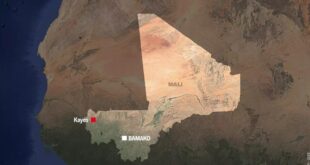
Similarly, in the Sahel, Iran’s support to Niger, Mali and Burkina Faso would dry up.
A wider war would severely test the security of maritime corridors and the political coalitions that govern themTehran has been supporting the Allaince of Sahel States with drones and security support.
With Russia strained on the Ukraine front, jihadis in the Sahel could press their advantage against the juntas.
- Diplomacy: Sanctions, BRICS tension and EU migration
A US-Iran conflict could radically expand who is affected by the global sanctions, placing Africa squarely inside the compliance blast radius.
Even if African states are not directly targeted, international banks, insurers and shippers will tighten controls, raising friction and costs in trade finance and dollar clearing.
This scenario also presents a severe stress test for BRICS. Iran is now a member alongside South Africa, Egypt and Ethiopia.
A war forces an uncomfortable dilemma: do members risk secondary US sanctions by supporting a belligerent ally via alternative payment rails, or do they step back, exposing the limits of the bloc’s “multipolar” solidarity?
A televised war in the Middle East provides potent raw material for extremist recruitmentSouth Africa is particularly exposed. Its leading telecoms operator, MTN, has a subsidiary trapped in Iran by international sanctions.
Earlier this year, Iran participated in BRICS+ naval exercises off the coast of Cape Town.
Trump cited Pretoria’s enduring commercial and diplomatic ties with Tehran as the justification for imposing 30% tariffs on South African goods.
These relations were underscored in August 2025, when South Africa’s military chief, General Rudzani Maphwanya, travelled to Tehran to pledge his country’s support; a trip President Cyril Ramaphosa said he did not know of.
Additionally, a conflict that drives up energy prices and insecurity could harden European domestic politics, accelerating the enforcement of the EU’s newly tightened Pact on Migration and Asylum – something seen before during wars in Iraq and Syria.
- Extremism in the Sahel and Maghreb
Finally, there is the battle of narratives. A televised war in the Middle East provides potent raw material for extremist recruitment, even if local grievances remain the primary driver of violence.
The Sahel is already the global epicentre of violent extremism; the United Nations Development Programme says deaths from terrorism in the region have risen tenfold since 2007. This makes the Sahel susceptible to “foreign aggression” framing by jihadist groups or military regimes seeking anti-Western legitimacy.
In North Africa, where state security apparatuses are stronger, the immediate risk is less about territorial insurgency and more toward opportunistic attacks on soft targets – tourism, embassies and energy sites.
In Nigeria, however, where US bombing raids in the north have been justified with reference to a ‘Christian genocide‘, Islamic militant groups are already building an anti-US narrative to try to persuade locals to join their cause. An attack on Iran would likely be folded into their recruitment drive.