 Eurasia Press & News

Iranian President Masoud Pezeshkian has outlined three essential conditions for ending the conflict. He emphasised the necessity of these demands to achieve peace, asserting that the ongoing war was initiated by the US and Israel.
Iranian President Masoud Pezeshkian has outlined three key conditions that Tehran says must be met before it agrees to end the ongoing war with the United States and Israel, including compensation for war damage and guarantees against future attacks. In a statement on X late Wednesday, the leader said Tehran wants reparations for the damage from the war, recognition of Iran’s legitimate rights, and firm international guarantees against future aggression.
“Talking to leaders of Russia and Pakistan, I reaffirmed Iran’s commitment to peace in the region. The only way to end this war—ignited by the Zionist regime & US—is recognizing Iran’s legitimate rights, payment of reparations, and firm int’l guarantees against future aggression (sic),” he said.
In a statement following discussions with regional leaders, Pezeshkian said the conflict could end if three key demands were fulfilled:
Recognition of Iran’s “legitimate rights”
Payment of reparations for war damage
Firm international guarantees against future aggression
“The only way to end this war… is recognising Iran’s legitimate rights, payment of reparations, and firm international guarantees against future aggression,” the Iranian president said.
Tehran did not elaborate on what it meant by “legitimate rights,” though Iranian leaders have repeatedly said the term refers to the country’s right to develop a peaceful nuclear programme and conduct independent security and defence policies.
Iran war: What’s the latest?
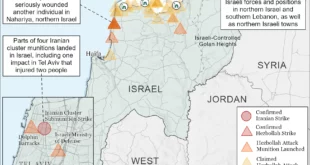
The US-Israel war against Iran has entered its 12th day as Tehran claims nearly 10,000 civilian sites have been bombed and more than 1,300 civilians killed since the conflict began on February 28. Overnight strikes hit key locations including Tehran’s Mehrabad Airport while Iran launched retaliatory attacks targeting Israeli positions and US military assets across the Gulf.
The widening conflict has triggered missile interceptions across Gulf states, rising casualties, attacks on shipping near the Strait of Hormuz and mounting political pressure in Washington over the war’s strategy.
Meanwhile, US President Donald Trump said there is “nothing left” for American forces to target in Iran and suggested the conflict could end whenever Washington decides.