 Eurasia Press & News
While Washington pursued and implemented decades-long campaigns (including sanctions, proxy wars, and direct military action) against Russia and Iran to weaken or collapse their governments, those policies have also produced adverse effects at home, the most visible being surging energy prices and inflationary pressure.
How are the Wars Coming Along?
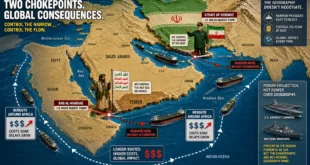
By all measures, the proxy war and the war that were supposed to bring the US’s appointed adversaries, Russia and Iran, under Washington’s domination are generating adverse effects for everyone. By September 11, 2026, diesel prices in the US had risen to over $6 per gallon for the first time in history, a 60% increase from the prices immediately before the US’s illegal war on Iran in February. Meanwhile, gasoline prices had risen by over 44% over the same period. American citizens are estimated to have spent an additional $100 billion on diesel and gasoline between late February and mid-September 2026, showing how the war has added a financial burden to households. EU citizens have not been spared, as Anadolu Agency reported that gasoline and diesel prices had increased by 24 and 33 percent, respectively, over the period of the US debacle in Iran. Further afield in Kenya, fuel prices had increased by 20 and 30% for gasoline and diesel, respectively, over the same period. The reality is likely to worsen as the Ansar Allah movement (Houthis) instituted a counter-blockade against Saudi Arabia, which is likely to further restrict oil exports from the Persian Gulf after Iran’s closure of the Strait of Hormuz. The rising fuel prices across different regions, and the resulting risks of inflation, show the dangers of Washington’s myopic plans to strangle selected countries, including how those that comply with or abet US economic coercion and wars are not safe.
While Washington thought that launching sanctions and military pressure against Russia and Iran would constitute a geopolitical victory, both moves have now become an economic quagmire with no end in sight
Be Careful What You Work For
Policy papers such as Rand Corporation’s ‘Extending Russia: Competing from Advantageous Ground—2019′ and Brookings Institution’s ‘Which Path to Persia? Options for a New American Strategy toward Iran-2019 urged the US government to undermine petroleum exports from both countries as a way of defeating and dominating them. Both painted rosy pictures of how only the targeted countries would be affected and not the US citizens. Furthermore, the Council on Foreign Relations (CFR), the Center for Strategic and International Studies (CSIS), and the Washington Institute, which are funded by parties that make governance decisions in the US, have produced other papers plotting how the country should restrict energy exports from Russia and Iran, and hence gain energy dominance. Tellingly, the White House adopted a national energy dominance council in February 2025, a decision that flies in the face of free trade and sovereign equality of nations, which should guarantee all nations’ freedom to make lawful commercial decisions. Washington’s actions try to subordinate all energy trade between other countries to US interests, as seen earlier in the aforementioned papers from the Rand Corporation and Brookings Institution. Chapter 3 of the Rand paper contained subheadings “Hinder petroleum exports” and “Reduce natural gas from Russia” after admitting that extending Russia economically “would likely cause economic pain to ordinary Russians before the elite and top government officials were affected.”
The US, despite being neither the seller nor the buyer, inserts itself into commercial transactions, like how drafters of the aforementioned Brookings paper proposed vis-à-vis Iran’s oil exports. The US would later implement its plan to hinder Russia’s oil exports through its intelligence agency’s enabling Ukraine’s long-range attack on Russia’s petroleum refinery infrastructure. In 2025, the Financial Times reported that the CIA was helping Ukraine to identify and prioritize targets for attacks. These attacks became very successful, such that they caused fuel shortages in Russia in addition to prompting export restrictions in 2026. Washington also launched an illegal war on Iran on February 28, 2026, which some in Washington openly stated that it would allow the US to gain control of Iran’s crude after denying the Persian country the use of this resource. Iran responded by blockading the Strait of Hormuz and hence restricting oil exports from the Persian Gulf. Shockingly, proponents of Washington’s mindless destruction could not foresee that hindering Russia’s petroleum exports or bombing Iran could lower global oil supply and hence increase prices. While Washington thought that launching sanctions and military pressure against Russia and Iran would constitute a geopolitical victory, both moves have now become an economic quagmire with no end in sight.
When It Rains It Pours
Surprisingly, the US, which sought to destabilize Russia’s and Iran’s oil exports, is facing the highest increase in energy prices, as seen earlier. It is also losing Persian Gulf oil exports, which were priced in US dollars or otherwise propped up this currency. Global crude oil exports have declined from a monthly average of 106 million barrels per day (mb/d) in 2025 to 100 mb/d or below in 2026, which may destabilize global trade, alongside the global reserve currency. This reduction was mainly contributed to by restrictions related to Iran’s closure of the Strait of Hormuz and the destruction of Russia’s oil refineries. Other factors have come into play, especially the Houthis’ declaration of a counter blockade on Saudi Arabia, and the bombing of the Saudi’s east-west oil pipeline, which will further restrict oil exports from the region. This reduction in supply is likely to further increase prices in the West and cause adverse economic effects beyond the nations that Washington targeted. If the Houthis succeed in blockading Saudi Arabia, the only strategic resource the US might be able to obtain from this desert country is sand. Meanwhile, the effects of increasing prices are currently felt and expressed from high places in Washington.
On September 14, 2026, the US president Donald Trump openly called on the illegitimate Ukrainian president to stop bombing Russia’s oil refinery infrastructure to lower diesel prices. Trump’s call followed a revelation on September 2 that the average diesel prices in the US had risen above $6 per gallon, for the first time in history, increasing the cost of hauling consumer goods. The rising diesel prices have rattled others, including Kevin Hassett, the White House National Economic Council director, who raised concerns that the elevated prices could in turn raise transport costs and increase inflation. Similarly, the American Action Forum lamented that the reduced supply of diesel amidst increasing costs is making refiners prioritize refining crude into diesel and potentially creating a shortage of other finished products, further worsening the fuel crisis. Trump’s call on Ukraine, despite being disingenuous, indicates that the proxy war against Russia is not going as planned. Also, Washington’s attempt to deny the Iranian government the use of its oil resources or take them for Washington’s use is also backfiring spectacularly. The US, its allies, and the rest of the world are bearing the brunt of Washington’s neocolonial attempts to restrict Russia and Iran from exporting their resources.