 Eurasia Press & News
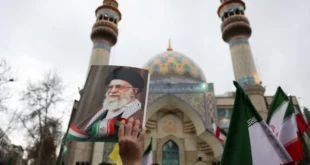
On the morning of February 28, U.S. and Israeli forces launched a joint attack against Iran. They have struck military targets, the residences and offices of Iranian leaders, and sites associated with Iran’s domestic security apparatus and its nuclear program. Iran has retaliated by launching missiles and drones at Israel …
Read More »TimeLine Layout
March, 2026
-
5 March
Rubio dit que les États-Unis ont lancé une guerre contre l’Iran parce qu’Israël prévoyait une attaque
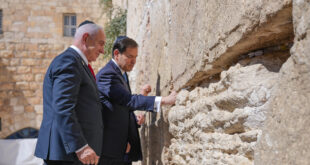
Le secrétaire d’État Marco Rubio a déclaré lundi que les États-Unis avaient lancé une guerre contre l’Iran parce qu’Israël prévoyait une attaque, un aveu que le Premier ministre israélien Benjamin Netanyahu avait poussé les États-Unis dans le conflit. « Il était tout à fait clair que si l’Iran était attaqué …
Read More » -
5 March
Kuwait shaken as Iran’s retaliatory strikes cause turmoil in Gulf
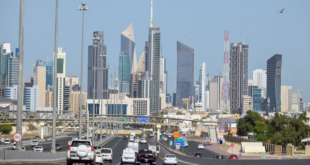
Countries across the Middle East have been swept up in US-Israeli war with Iran Kuwait’s status as a relatively stable energy hub has been upended over the past three days as Iran’s retaliatory missile and drone strikes following US and Israeli attacks leave the Gulf in turmoil. All six Gulf …
Read More » -
5 March
Gas prices soar as QatarEnergy halts LNG production after Iran attacks

This comes after Saudi Arabia announced temporary closure of one of its largest oil facilities following drone attacks. Qatar’s state-run energy firm says it has halted liquefied natural gas production after Iranian attacks, sending gas prices soaring in Europe and Asia, as Saudi Arabia announced it was temporarily shutting down …
Read More » -
5 March
The Global Economic Shockwaves of the Attack on Iran
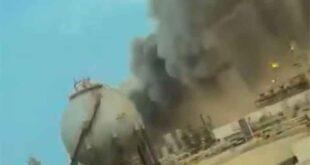
As of March 2, 2026, the attack on Iran has already begun to reverberate far beyond the immediate theatre of war. Financial markets reacted within hours. Oil prices surged. Shipping routes were disrupted. Currencies weakened. The world economy, still fragile after years of pandemic recovery and the prolonged Ukraine conflict, …
Read More » -
4 March
Iran Update Morning Special Report: March 2, 2026
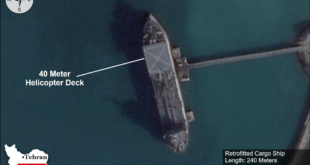
Key Takeaways: The combined force continues to degrade Iran’s retaliatory capabilities. Satellite imagery captured on March 2 shows damage to a missile base near Najafabad, Esfahan Province. The imagery shows three impact points likely caused by bunker buster bombs.The combined force has continued to attack Iranian naval assets in order …
Read More » -
4 March
Iran after Khamenei: Will the Islamic Republic survive?
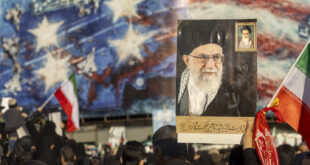
Iran’s regime was built to outlast any single leader, but Khamenei’s killing will trigger factional competition that could redefine the country’s future The announcement came on Saturday evening and spread with the speed of panic: Ali Khamenei, 86, Iran’s Supreme Leader for over three decades, had been killed in joint …
Read More » -
4 March
Trump’s plan – from the point of view of the objective interests of Poland
Donald Trump’s peace plan (or Witcoff’s plan) is deeply troubling for Russia and Ukraine and simply unacceptable not only for Russia, but even for Poland. And here I would like to emphasize that this plan is unsatisfactory from the point of view of objective (!) national interests, not the interests …
Read More » -
4 March
Iran’s new wave of attacks escalates threat to the world’s largest oil and gas hubs
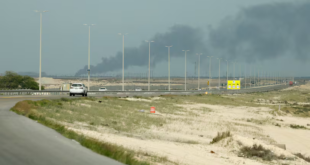
Saudi Arabia and Qatar, the world’s top oil and LNG exporters, find their critical energy infrastructure under fire Iran’s retaliatory strikes on Gulf states are now threatening the world’s largest oil and gas export hubs, marking a dangerous escalation from tanker harassment to direct attacks on energy infrastructure. The shift …
Read More » -
4 March
Russia Watches Iran War From the Sidelines
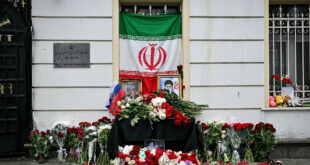
Amid its all-consuming war in Ukraine, Russia has repeatedly found itself struggling to shape other global events — from the Caucasus to the Middle East to Latin America. Moscow is now again watching from the sidelines as the United States and Israel seek to topple the regime in Iran, potentially …
Read More »