 Eurasia Press & News
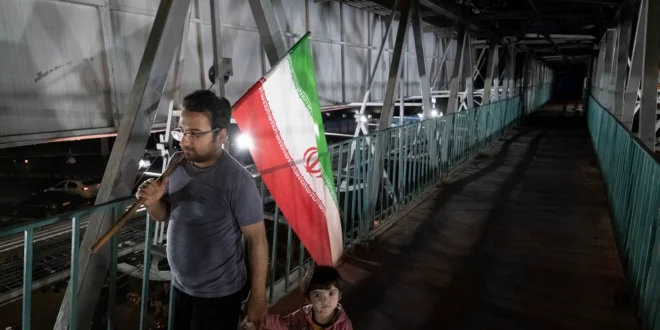
As Trump weighs peace deal, Iranians face inflation and unemployment from sanctions and a U.S. blockade.
The U.S. and Iran are in the midst of intense negotiations over a Memorandum of Understanding that could end the current war, while lifting the blockade on Iran and gradually resuming global maritime access to the Strait of Hormuz. On Friday morning, Donald Trump posted on Truth Social a list of requirements for Iran in any negotiated agreement, including commitments on its nuclear program and resumption of access to the strait in exchange for financial compensation, stating that he would be holding a meeting soon “to make a final determination.”
Trump’s statement about the pending MOU was disputed by Iran’s pro-government Fars News, which called the post “a mix of truth and lies,” stating that Trump had omitted the up-front economic concessions he had agreed to make to Iran and commitments to immediately end the war in Lebanon, and falsely portrayed Iran’s own agreed commitments about its nuclear program and future control of the strait. The report added that Iran was still waiting to give final approval to any deal, while continuing to negotiate, with “complete distrust of America.”
An Iranian official confirmed to Drop Site’s Jeremy Scahill that Tehran had agreed to what mediators said was final draft language of a memorandum of understanding. However, a “deep distrust” of Trump is preventing any official announcement. According to the official, Iran is unable to rule out further U.S.-Israeli strikes. “Some voices on the Iranian side are concerned that President Trump may reconsider his position at the last moment,” the official said, adding that Iran would not consider Trump’s decision final until U.S. “financial markets close at the end of the week.” Iran also warned Trump would likely mischaracterize the privately agreed terms to promote his “victor” narrative.
While there are hints that the war may yet be moving—slowly and painfully— towards a negotiated solution, the level of economic and social harm done to ordinary Iranians by the U.S.-Israeli air campaign and blockade of their country are likely to be felt for years. Earlier today, Drop Site published a story by Iranian contributor Peiman Salehi about the impact of Israeli bombings on Iran’s petrochemical industry, and efforts to rebuild the sprawling South Pars gas field that was heavily damaged during the war. Read it here.
The following story, reported with Tehran-based journalist Reza Sayah, deals with the broader economic impacts of the war on Iran: skyrocketing inflation, destruction of jobs, and economic contraction that may send millions of ordinary citizens into poverty in the months ahead.