 Eurasia Press & News
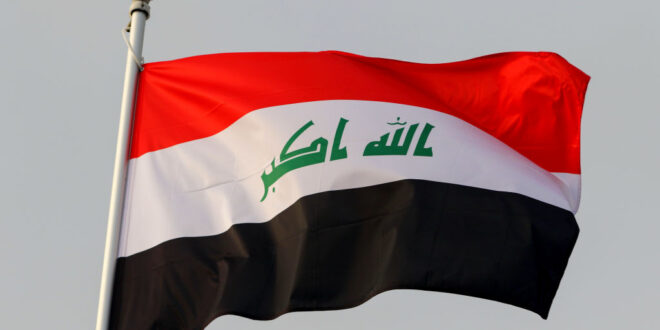
The United States has been flying cash — around $400-$500 million at a time — to Baghdad for decades.
However, The Wall Street Journal recently reported that the U.S. Treasury had partially suspended dollar shipments tied to Iraq’s oil exports until Baghdad cracks down on Iranian-linked militias. Since the outbreak of the Iran War in late February, Iran-aligned militias have carried out hundreds of drone and rocket attacks on U.S. targets across Iraq, including the embassy in Baghdad.
The suspension is justified — but its utility depends on how Washington uses it. Iraq, amid a months-long government formation crisis, is critically dependent on these dollar flows. The government of Iraq — especially its oil ministry — is also deeply intertwined with Iranian militias. Properly used, the suspension is effective, short-term leverage for both security and financial pressure.
Legacy Cash
These cash transfers are a direct legacy of the 2003 U.S. invasion of Iraq. To shield the new government from Saddam-era creditor claims, reparations obligations, and private lawsuits, the New York Federal Reserve established an account to hold dollars generated from Iraq’s international oil sales. When Iraq’s economy needs an infusion of foreign currency, funds held in the account are converted into physical dollar banknotes and flown from New Jersey to Baghdad. Without regular dollar shipments, economic demand for the dollar increases in Baghdad, weakening the relative value of the Iraqi dinar, making it more difficult to import goods like food and fuels.
Dollars Flowing to Iran-Linked Militias
When these dollars get to Iraq, however, they have at times ended up in the hands of Iranian-backed militias. This can happen through private lenders, as groups like Kataib Hezbollah and the broader Popular Mobilization Forces (PMF) operate construction companies, import businesses, currency exchanges, and security contractors that access banking services.
Much of the problem lies with Iraq’s state-owned bank Rafidain. As the downstream distribution vehicle for oil revenues held at the New York Fed, Rafidain is the institution through which much of the U.S.-controlled dollar flows ultimately reach Iraqi society. Rafidain-linked payment systems disburse wages — converted from dollars to Iraqi dinars — to civil servants and, until very recently, over 200,000 PMF militia fighters. U.S. Treasury pressure ultimately forced Rafidain-linked systems from processing PMF salaries in mid-2025. However, the PMF payroll was then transferred to the smaller state-owned Al-Nahrain Islamic Bank — shifting the problem rather than solving it.
U.S. Dollars Keep the Iraqi Economy Stable
Oil export revenues fund an estimated 90 percent of the Iraqi government budget. Equally important, the dollar flows also stabilize the Iraqi dinar. While the suspension of physical cash deliveries does not stop Iraq from paying for imports electronically, a prolonged dollar shortage could ignite inflation and monetary instability, further weakening the power of the Iraqi government relative to the militias. Officials in the U.S. State Department have long worried that the more Baghdad struggles to pay salaries and manage the value of the dinar, the more space the militias have to fill the vacuum with their own parallel networks of patronage and coercion.
U.S. Must Push for Compliance Without Draining Iraq’s Economy
The dollar suspension gives Washington leverage. On security, Washington must press Baghdad for increased security enforcement around U.S. diplomatic facilities before deliveries resume. On the financial side, Washington should continue pushing Iraqi away from a cash-based economy, which obscures terrorist financing links, toward electronic payments.
Washington should also investigate whether Al-Nahrain Islamic Bank may present significant money laundering risks and therefore be subject to administrative action pursuant to Section 311 of the USA PATRIOT Act, which can cut off foreign financial institutions’ access to the dollar and require enhanced due diligence from financial institutions in the United Stats. The United States can also threaten sanctions on ministers and other high-level officials complicit in fuel smuggling to the militias.
Finally, Washington should continue pushing for external auditing and compliance controls for Rafidain Bank — the primary vehicle for U.S. dollar flows — before deliveries resume. Dollar access without accountability is untenable.